
Back to School with Your Dog in Victoria: How to Help Your Pup Adjust
By Happy Homes Team at eXp Realty, Victoria, BC
How to help your dog adjust when kids go back to school in Victoria:
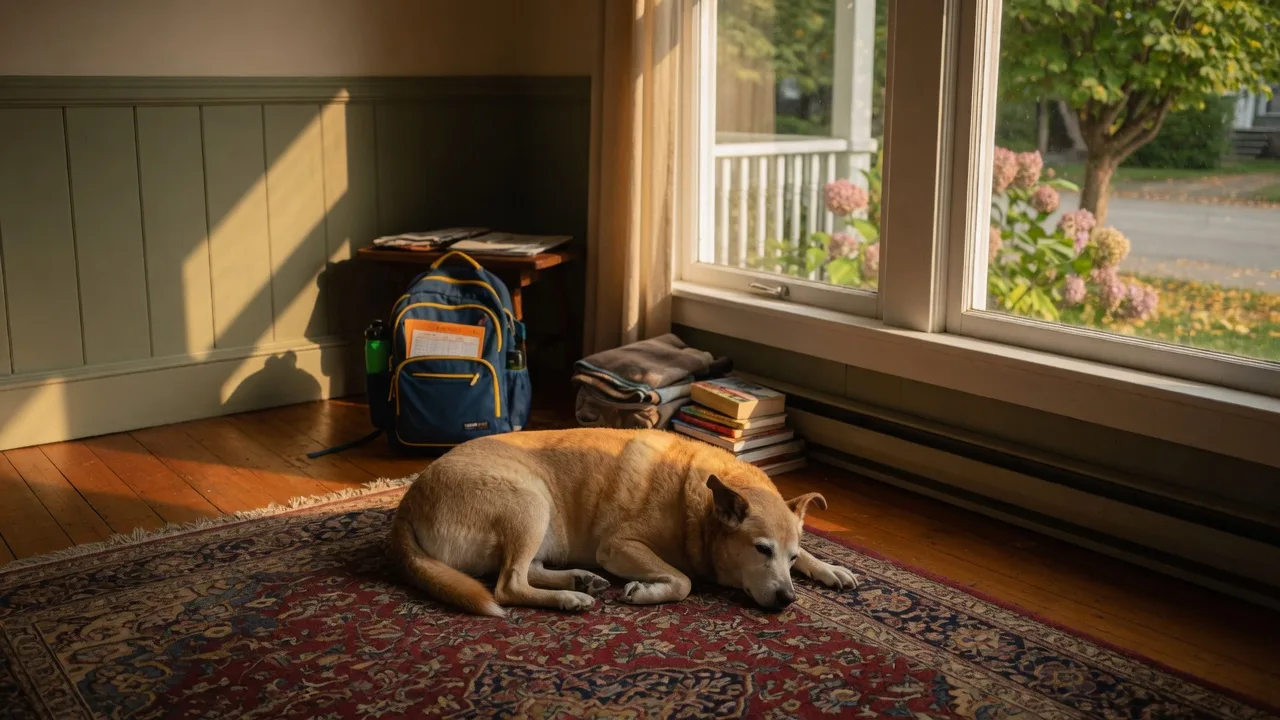
September is coming, and for many Greater Victoria households, that means a return to school routines. Kids head back to class. The house goes quiet. And for the dog who spent the whole summer with constant company, nap interruptions, dropped snacks, and someone home all day, the shift can be jarring.
We see this every year at the Happy Homes Team. Our own dogs, Ziggy and Sahara, have been through enough Septembers to know the feeling. One week the house is full of summer energy. The next, the kids are out the door and the dog is staring at a quiet living room wondering where everyone went. This guide covers how to ease that transition, build a new routine, and make sure your dog thrives through the school year in Greater Victoria.
Why the Transition Matters for Your Dog
Dogs are creatures of habit. They read our schedules, our body language, and our energy. When summer ends and school starts, their whole world shifts. The kids who were home all day suddenly vanish for six to eight hours. The walks that happened mid-morning now happen at 7 AM. The house that was busy and noisy becomes quiet.
For most dogs, this adjustment takes one to three weeks. For some, especially dogs with separation anxiety or rescue dogs with past trauma, the shift can trigger stress behaviours like barking, destructive chewing, house soiling, or changes in appetite. The good news is that a gradual transition and a few strategic tools can make the change feel natural for your dog.
Start the Transition Two to Three Weeks Before School Starts
The single most effective thing you can do is start shifting your dog's routine in mid-August, before the first school bell rings. Dogs adjust best to gradual change.
Shift Walk Times Gradually
If school-year mornings mean a 7 AM walk, start taking that walk at 7 AM now. Move your dog's afternoon walk to the time it will happen in September. Small adjustments, made over two weeks, feel normal to a dog. A sudden schedule change on the first day of school can leave your dog confused and anxious.
Practice Alone Time
If your dog has had someone home all summer, they may not be used to being alone. Start with short periods of absence. Leave the house for 15 minutes. Then 30. Then an hour. Build up to the full school-day stretch over two weeks. The goal is to show your dog that you always come back.
If your dog struggles with alone time, consider a pet camera with two-way audio. Being able to check in and speak to your dog can reduce their stress and give you peace of mind.
Adjust Feeding Schedules
Dogs thrive on routine around food. If school-year breakfast happens at 6:30 AM, start serving breakfast at 6:30 AM now. Same for dinner. A predictable feeding schedule anchors your dog's day and gives them a sense of security.
Enrichment for Quiet Days
The secret to a calm dog during school hours is a tired, mentally engaged dog before you leave. A quick walk around the block will not cut it for most dogs. Aim for a solid morning outing that includes time to sniff, run, and explore.
Enrichment Tools That Work
- Frozen Kongs. Fill a Kong with peanut butter, plain yogurt, kibble, and a few blueberries. Freeze it overnight. Your dog gets a 30-45 minute project that ends with a happy, tired brain.
- Puzzle feeders. Slowing down mealtime with a puzzle feeder or snuffle mat turns breakfast into a 20-minute mental workout. A dog who works for their food is a dog who naps afterward.
- Sniff mats. Scatter your dog's kibble in a sniff mat and let them hunt for it. Sniffing lowers a dog's heart rate and releases dopamine. It is one of the most calming activities you can offer.
- Chew toys. A good chew occupies your dog for hours and releases feel-good endorphins. Bully sticks, Himalayan yak chews, and rubber chew toys are excellent options. Always supervise with any chew item.
- Background noise. Leaving a radio, audiobook, or TV on at low volume can help dogs who are sensitive to silence. Some dogs do well with classical music or specially designed dog-calming playlists on streaming services.
Mid-Day Dog Walker and Daycare Options in Greater Victoria
For dogs who genuinely struggle with long stretches alone, Greater Victoria has excellent dog walking and daycare services. A midday break can transform your dog's day.
Dog Walking Services
Several professional dog walking services serve Victoria, Saanich, Langford, and Esquimalt. Tails & Trails Pet Care, Hitch-a-Hike Adventure Dog Walking, and Dallas Road Dogs are established services that offer midday walks, group outings, and private adventures on Greater Victoria's trails. Check their service areas to confirm they cover your neighbourhood.
A midday walker typically visits for 30 to 60 minutes, provides a solid walk or off-leash adventure, and gives your dog a bathroom break and companionship during the school day. Prices range from $20 to $40 per visit for group walks and up to $40 for private outings.
Doggy Daycare
For dogs who thrive on social play, doggy daycare is a great option. Several facilities in Greater Victoria offer supervised play, nap time, and structured activities. Langford and Saanich have the highest concentration of daycare centres, including locations near the major commuter routes.
Daycare is especially useful for high-energy breeds and young dogs who need more exercise and stimulation than a midday walk can provide. Many facilities offer half-day options for dogs who only need a few hours of play.
September Trails: Make the Most of the Quieter Days
One of the hidden benefits of back-to-school season is quieter trails. Once September arrives, the Galloping Goose, Lochside Trail, Mount Douglas Park, and Thetis Lake all see fewer walkers during weekday hours. Families are back to school routines, and the trails open up for peaceful mid-morning and afternoon walks with your dog.
If you work from home or have a flexible schedule, September is one of the best months of the year for dog walks in Greater Victoria. The summer heat breaks, the crowds thin out, and the golden light makes every trail feel special.
Signs Your Dog Is Struggling with the Transition
Even with the best preparation, some dogs take longer to adjust. Watch for these signs that your dog may need extra support.
- Excessive barking or howling after you leave (a neighbour will let you know)
- Destructive chewing focused on door frames, windowsills, or your belongings
- House soiling in a dog who is normally house-trained
- Loss of appetite or refusing treats
- Excessive panting, drooling, or pacing as you prepare to leave
- Clinginess following you from room to room before departure
If these behaviours persist beyond two to three weeks, consider consulting a certified force-free dog trainer or your veterinarian. Greater Victoria has several excellent positive-reinforcement trainers who specialize in separation anxiety. Your vet can also rule out medical causes and discuss anti-anxiety support if needed.
Setting Your Dog Up for a Great School Year
The back-to-school transition does not have to be stressful for your dog. With gradual schedule shifts, the right enrichment tools, and support from Victoria's dog walking and daycare community, your dog can thrive through the school year. The quiet hours can be a peaceful time of rest and contentment for your dog.
A well-prepared dog is a happy dog. Start the transition now, build the new routine slowly, and your September mornings will go smoothly for everyone in the family, including the one waiting by the door when the kids come home.