
Blue-Green Algae Alert: Thetis Lake and Greater Victoria's Lakes, Summer 2026
By Happy Homes Team - eXp Realty - Victoria, BC Real Estate Team
- ▶ Thetis Lake (active alert): CRD issued a blue-green algae alert on June 24, 2026. Elk Lake, Beaver Lake, Durrance Lake, and Prior Lake have all had advisories in the past two years. Keep dogs out of any water with an active advisory.
- ▶ Dogs are most at risk: They drink lake water, lick their fur, and symptoms can appear within hours. Toxic exposure can be fatal.
- ▶ Before heading out: Check the CRD algae monitoring page and the BC Government Algae Watch, and carry fresh water for your dog.
- ▶ If exposed: Rinse your dog immediately, monitor for vomiting, weakness, or difficulty breathing, and contact your vet right away.
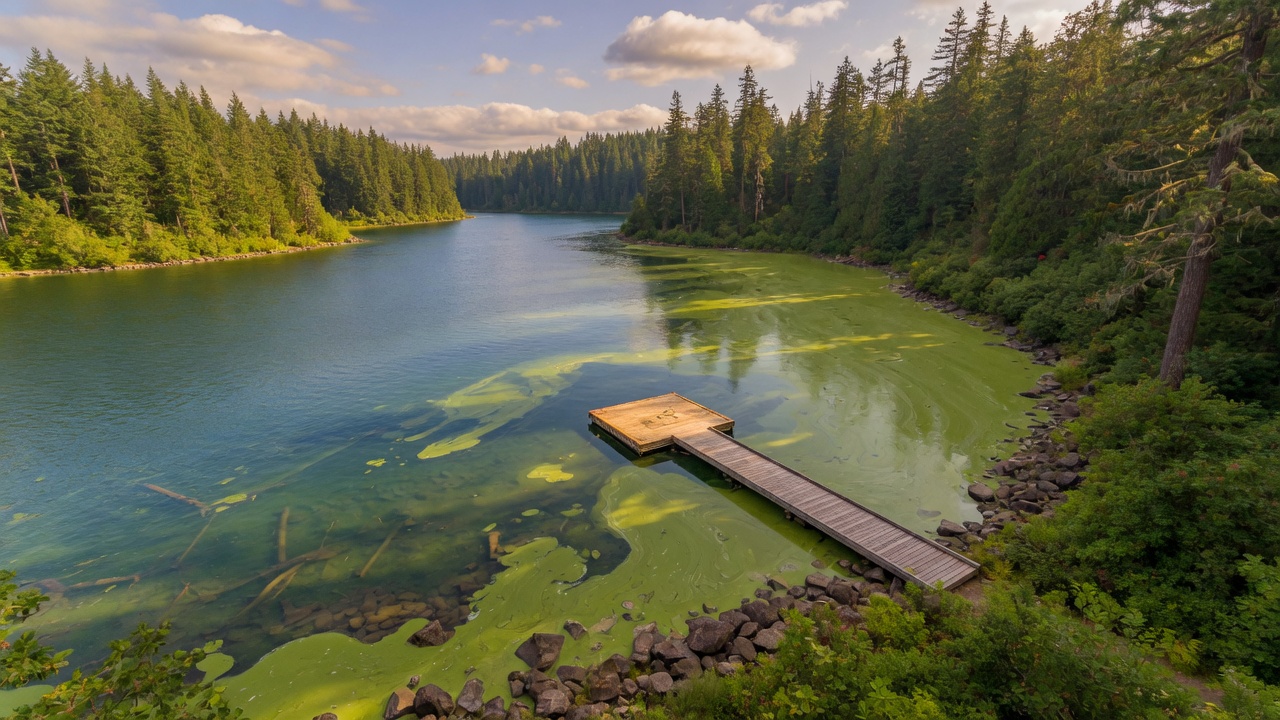
If you are planning to take your dog to any lake in Greater Victoria this summer, please read this first. On June 24, 2026, the Capital Regional District issued a blue-green algae alert for Thetis Lake, one of the most popular swimming and walking spots in the region. Conditions can change quickly, and new blooms may appear at other lakes at any time during warm weather. This is a genuine health and safety concern, and dogs are the ones most at risk.
As the team behind this guide, and as dog parents to Ziggy (our 6-year-old Rottweiler) and Lady Sahara (our 13-year-old Lab mix), we want every dog owner in Greater Victoria to have the facts. Here is what you need to know right now.
Why Blue-Green Algae Is So Dangerous for Dogs
Blue-green algae is not actually algae at all. It is cyanobacteria, a type of microscopic organism that thrives in warm, calm, nutrient-rich freshwater. When summer temperatures rise and the water is still, cyanobacteria multiply rapidly and form visible blooms on the surface, green scum, pea-soup coloured water, or thick mats along the shoreline.
The danger is in the toxins. Cyanobacteria produce powerful liver and neurotoxins that are harmful to all mammals, but dogs are disproportionately at risk for a few reasons:
- They drink directly from the lake. Even a few laps of contaminated water can deliver a dangerous dose of toxins.
- They swim through it and lick their fur. Toxins stick to their coat, and dogs groom themselves, ingesting the toxin indirectly.
- They cannot tell you they feel sick. By the time you notice symptoms, significant exposure has already occurred.
- Their body-weight-to-toxin ratio is much higher than humans. A concentration that might cause mild irritation in a person can be lethal in a 30 kg dog.
- They are attracted to the smell and taste of stagnant, algae-rich water.
Flat-faced breeds (pugs, bulldogs) and dogs with liver conditions are at even higher risk. Senior dogs and puppies are also more susceptible to toxins. Lady Sahara, our 13-year-old Lab mix, is at elevated risk simply because of her age. Ziggy, despite being a strong and healthy Rottweiler, is not immune — no dog is.
Warm weather makes blooms worse. Hot, sunny days with calm winds create the perfect conditions for cyanobacteria to multiply. That is why alerts tend to cluster in late June through September, right when everyone wants to be at the lake with their dog.
How to Spot a Dangerous Bloom
Blue-green algae blooms can be hard to spot, but there are reliable warning signs to watch for before you let your dog near the water:
- Green or blue-green scum on the water surface, sometimes forming thick, paint-like slicks
- Floating mats that resemble pea soup or spilled green paint
- Cloudy or discoloured water that looks different from normal
- Foul or musty odour coming from the water
- Dead fish or birds near the shoreline, which can indicate toxic conditions
Important: Not all blooms are visible. Cyanobacteria can be present in the water even when the surface looks clear. If the CRD has issued an advisory for a lake, treat the entire body of water as contaminated, regardless of what it looks like on the surface.
Symptoms of Blue-Green Algae Exposure in Dogs
Symptoms can appear within hours of exposure, sometimes even within minutes if the dog ingested a large quantity of contaminated water. Watch for:
- Vomiting and diarrhoea, often the first signs, sometimes with blood
- Drooling or foaming at the mouth
- Weakness, lethargy, or stumbling
- Difficulty breathing
- Muscle tremors or seizures
- Yellowing of gums or eyes (indicating liver damage)
In severe cases, blue-green algae exposure causes liver failure and death. The survival rate drops significantly the longer treatment is delayed. There is no specific antidote for cyanotoxin poisoning. Treatment is supportive, IV fluids, activated charcoal, and organ support, and it must begin immediately. The sooner your dog sees a vet, the better the chance of recovery.
Which Victoria Lakes Are Affected?
As of June 24, 2026, the CRD has issued a blue-green algae alert specifically for Thetis Lake in View Royal. As CHEK News reported, the alert was triggered after testing detected elevated levels of cyanobacteria at the lake.
But Thetis Lake is not the only concern. The Capital Regional District (CRD) monitors water quality at regional parks and issues advisories when dangerous bloom levels are detected. Several Greater Victoria lakes have experienced blue-green algae advisories in the past two years:
- Elk Lake, One of the most popular swimming and paddling lakes in Saanich. An advisory was lifted for part of the lake in early 2026, but blooms have recurred in previous summers. Always check the CRD website before visiting.
- Beaver Lake, Connected to Elk Lake, Beaver Lake is shallower and warmer, making it more prone to blooms. As of May 2026, the blue-green algae advisory remained in effect for portions of Beaver Lake. This lake is particularly prone because its shallow depth causes it to warm up faster than deeper lakes.
- Durrance Lake, A smaller, more secluded lake on the Saanich Peninsula that has experienced periodic advisories.
- Prior Lake, Another smaller lake that has seen advisories in recent years.
The pattern is consistent: warm, calm weather triggers blooms, typically from late June through September. But advisories can appear earlier or persist later depending on conditions.
The CRD maintains an active algae monitoring page that is updated as new test results come in. At the provincial level, the BC Government Algae Watch tracks cyanobacteria reports across the entire province and provides broader context for bloom conditions. We cannot emphasize this enough: check both the CRD page and BC Algae Watch the morning of every lake visit. Advisories can be issued or lifted on short notice.
What to Do Right Now: A Dog Owner's Checklist
If you walk your dog at Thetis Lake or you are planning a summer lake day elsewhere in Greater Victoria, here is your practical safety checklist:
Before You Go
- Check the CRD algae monitoring page and the BC Government Algae Watch before heading to any lake with your dog. If an advisory is active on either source, do not go near the water.
- Pack fresh water for your dog. A collapsible bowl and a full water bottle should be in your bag every time you head out near a lake. Offer water frequently so your dog is not tempted to drink from the lake.
When You Arrive
- Look at the water. Avoid lakes with visible algae blooms: green, bluish-green, or pea-soup coloured water, scum on the surface, or algae mats along the shore.
- If you DO see algae, keep your dog out. Do not let them swim, wade, or drink from that water. Keep them on a fixed-length leash and walk away from the shoreline.
- Remember: not all blooms are visible. Cyanobacteria can be present even when the water looks clear. An active CRD advisory means treat the entire lake as contaminated.
If Your Dog Has Been in Affected Water
- Rinse them off immediately with clean, fresh water. Focus on the mouth, paws, belly, and anywhere water splashed on their coat.
- Do not let them shake and re-ingest toxins from their fur. Towel dry them quickly before they can shake.
- Monitor closely for symptoms over the next 24 hours: vomiting, diarrhoea, weakness, breathing difficulty, tremors.
If Your Dog Shows Symptoms
- Contact your vet immediately. Mention algae exposure specifically. Ask if you should bring a water sample, this can help the vet confirm the toxin type.
- Do not wait for symptoms to worsen. Time is critical. Two 24/7 emergency veterinary options in Victoria are WAVES (West Coast Animal Veterinary Emergency Specialty Hospital) and Central Victoria Veterinary Hospital (VCA). The team at Central Victoria is where we took Ziggy during his corn cob emergency, and the care was exceptional.
- Save the number of your nearest emergency vet in your phone before you head to the lake. In an emergency, every minute counts.
Stay Informed: Resources to Bookmark
The best way to protect your dog this summer is to stay ahead of the alerts. Here are the pages we recommend bookmarking and checking regularly, especially during the warm months from late June through September:
- ▶ CRD Algae Monitoring Page, Local, lake-by-lake updates for the Capital Regional District. The fastest source for alerts at Thetis Lake, Elk Lake, Beaver Lake, and other CRD-managed lakes.
- ▶ BC Government Algae Watch, Provincial monitoring program that tracks cyanobacteria reports across all of British Columbia. Useful for broader context and for lakes outside the CRD's jurisdiction.
- ▶ CHEK News, Local news coverage of algae alerts in Greater Victoria.
- ▶ Goldstream Gazette / North Island Gazette, Community reporting on lake conditions and advisories on Vancouver Island.
Conditions can change between testing dates, so check these pages the morning of any planned lake outing. Share this information with other dog owners at the trailhead, in your neighbourhood group, or at the off-leash park. The more dog owners who know about this risk, the fewer dogs end up in emergency.
Safe Alternatives: Where Can Your Dog Still Swim?
Good news: the ocean does not get blue-green algae. Greater Victoria has excellent saltwater swimming options for dogs that are completely unaffected by freshwater algae blooms. The off-leash areas along Dallas Road, the Esquimalt year-round beach, Parker Park in Cordova Bay, and Sandcut Beach near Metchosin are all safe for summer swimming.
For a full rundown of where your dog can swim safely (including leash rules, parking details, and seasonal restrictions), check our guides to dog-friendly swimming spots in Greater Victoria and our roundup of dog-friendly beaches. For year-round lake and beach etiquette, see our seasonal rules across Greater Victoria.
Stay safe out there, and give your pup an extra treat from us. The lakes will be here all summer, but your dog only gets one life.