
Late Summer Tick and Parasite Prevention for Dogs in Greater Victoria
By Anna Hakim & Perry Fanthorpe, Happy Homes Team, eXp Realty | AI Certified Agents
Late Summer Tick and Parasite Prevention for Dogs in Greater Victoria (August through October):
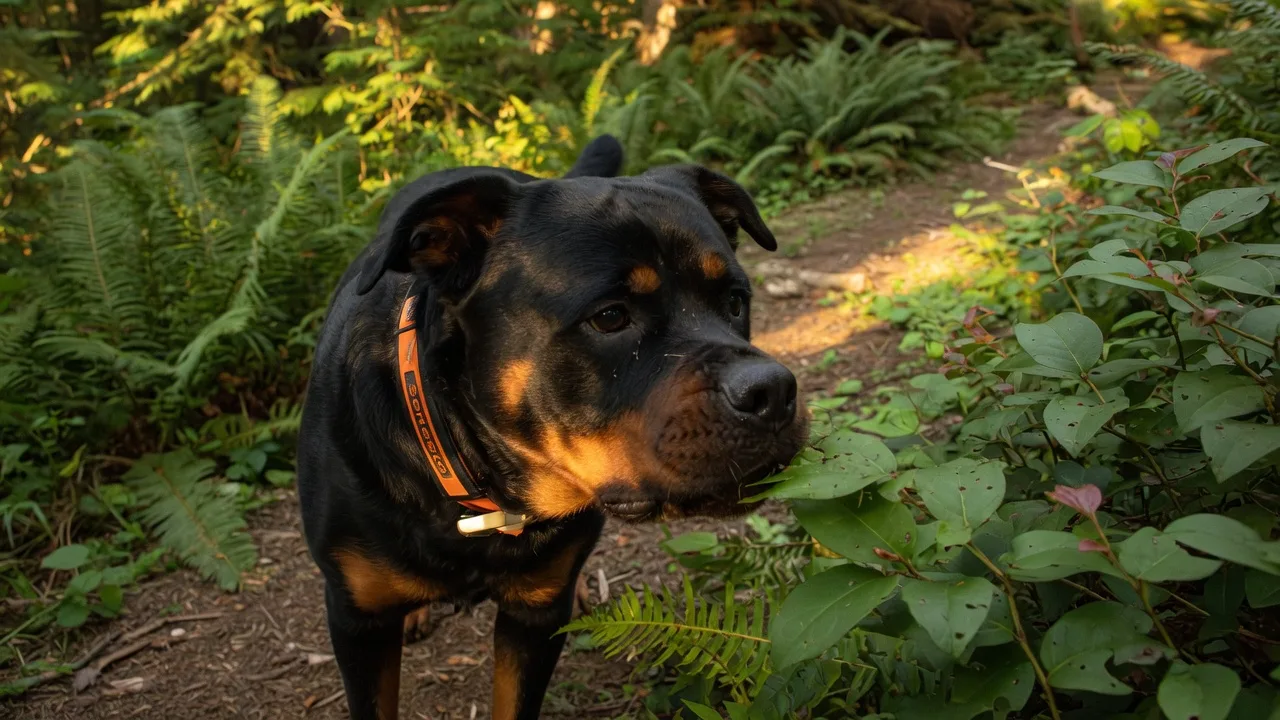
Here is something that catches a lot of dog owners off guard in Greater Victoria: late summer is not a break from tick season. It is a ramp-up. August through November is the second peak period for Western blacklegged ticks on Vancouver Island, and this year we have been finding ticks on dogs at Francis King and Mount Douglas well into what feels like cooler weather.
We learned this the hard way our first year with Ziggy. We had been diligent through spring and early summer, tick prevention every month on the dot. Then August came, the mornings cooled, and we got lazy. A quick walk through tall grass at PKOLS, and two days later we found a tick buried behind his ear. That was the year we switched to year-round prevention and never missed again.
This guide covers what is active right now, where the risks are highest across Greater Victoria trails, and exactly what to do if you find a tick on your dog. These are real practices we follow every walk with Ziggy and Sahara.
Which Parasites Are Active in Late Summer and Fall?
The common assumption is that tick and flea season ends when summer does. In Victoria's mild coastal climate, that assumption is wrong. Here is what is active from August through October:
Western blacklegged ticks (Ixodes pacificus). These are established on Vancouver Island and can carry the bacteria that causes Lyme disease. Adult ticks become active in fall (late September through November), while nymphs remain active through August. Ticks become active at temperatures above 4 C, which means Victoria's fall climate keeps them moving well past October.
American dog ticks (Dermacentor species). These are present on southern Vancouver Island and can carry agents of Rocky Mountain spotted fever and tularemia. They peak in warmer months but persist into early fall.
Fleas. Victoria's damp coastal climate means fleas survive outdoors through most of the year and indoors year-round. Fleas do not just cause itching -- they carry tapeworm larvae. When a dog grooms and swallows an infected flea, the tapeworm establishes in the gut.
Heartworm. Transmitted by mosquitoes, the risk season in BC runs approximately May through October. Heartworm is a growing concern in the Victoria area. Monthly prevention is recommended throughout mosquito season.
Intestinal parasites. Roundworms, hookworms, and whipworms are ongoing risks across Greater Victoria. Most vets recommend deworming every three months regardless of season.
Where Ticks Are Worst in Greater Victoria Right Now
We walk our dogs every day, and we have a pretty good map of where the tick risk is highest at this time of year. These are the spots where we are most careful:
Francis King Regional Park. This is one of our favourite trails, but the tall grass along the power line cut and the ferns lining the forest edges are prime tick habitat. Stick to the centre of the trails and check your dog thoroughly after every visit.
PKOLS (Mount Douglas Park). The off-leash trail loop (Glendenning, Whittaker, Maddock) passes through dense forest with tall ferns and leaf litter. Ticks wait on the overhanging vegetation at dog-head height. We check Sahara especially carefully here, her dark coat hides ticks well.
Goldstream Provincial Park. The old-growth forest floor is thick with duff and leaf litter. The trails around the salmon stream in particular are damp and shaded, ideal conditions for ticks through the fall.
Thetis Lake Regional Park. The trails around the lake pass through tall grass and brush. Combined with the water access and off-leash areas, this is a high-traffic spot where ticks transfer between dogs easily.
Galloping Goose and Lochside Regional Trails. The wooden sections of these trails are not the problem, but the edges where the trail passes through overhanging vegetation, especially near Viaduct Flats, the switchbacks near Esquimalt, and the wooded sections near Saanich. Ticks sit on the long grass at the trail edge waiting to latch onto a passing dog (or human).
Prevention Products: What Vets Across Victoria Recommend
We are not vets, so we are not going to prescribe a specific brand. What we can tell you is what the vets we have talked to at clinics across Victoria consistently recommend. The consensus is clear: year-round broad-spectrum prevention is the standard of care for dogs on Vancouver Island.
Most vets recommend one of two approaches:
Oral tablets (monthly or every 3 months). Chewable tablets that protect against fleas, ticks, heartworm, and intestinal parasites in a single dose. The advantage is you cannot mess it up -- no water exposure limitations, no spot-on application errors. You give the tablet, it works.
Topical spot-on treatments (monthly). Applied to the skin between the shoulder blades. These work well for most dogs, but some have limitations around swimming and bathing. If your dog swims at Willows Beach or Thetis Lake every week, ask your vet about water-resistant options.
Tick collars. A good backup or standalone option for dogs that swim frequently. The active ingredient spreads across the skin over weeks. The visible collar also makes it easy to confirm at a glance that your dog has protection on.
What every vet in Victoria agrees on: do not stop prevention in September. The fall tick peak overlaps with the end of mosquito season, and the combination of tick, flea, and heartworm risk continues into late fall.
How to Do a Proper Tick Check After Every Walk
A thorough tick check takes about two minutes and should be part of the post-walk routine on every trail walk from March through November. Here is the system we use:
Step 1: Run your hands over the whole body. Start at the head and work backward. Press firmly enough to feel any small bumps on the skin. Ticks that have not yet attached feel like a tiny pebble or grain of sand under the fur.
Step 2: Check the hotspots. Ticks favour specific areas: around the ears (especially inside the ear flap), the neck and collar area, under the front legs (armpits), between the hind legs, and between the toes. We check Sahara's toes every time -- her dark fur and white paws make ticks between the pads easy to miss in dim light.
Step 3: Look, do not just feel. After running your hands over the dog, visually inspect the same areas. An attached tick can be as small as a poppy seed in the nymph stage. The skin around an attached tick often reddens slightly.
Step 4: Brush out any visible debris. A good brush after a trail walk removes ticks that have not yet attached and lets you see any that are crawling on the surface of the coat.
What to Do If You Find a Tick
Finding a tick on your dog is not a panic situation, but it is a do-something-right-now situation. Here is the exact process:
Do not squeeze, twist, or apply anything to the tick. No matches, no petroleum jelly, no alcohol, no nail polish remover. These methods can cause the tick to regurgitate into the bite wound, increasing the risk of disease transmission. The goal is to remove the tick intact.
Use fine-tipped tweezers or a tick removal tool. Grasp the tick as close to the skin surface as possible. Pull upward with steady, even pressure. Do not jerk or twist. If the mouthparts break off and remain in the skin, remove them with clean tweezers if possible.
Clean the bite area. Wash with soap and water or disinfect with rubbing alcohol. Clean your hands thoroughly.
Save the tick for identification. Place it in a sealed bag or small container. If your dog develops symptoms in the following weeks, your vet can identify the tick species and determine the risk of disease.
Monitor the bite site for 30 days. Watch for redness, swelling, or discharge. If your dog develops lameness, fever, lethargy, or loss of appetite within a few weeks of a tick bite, contact your vet.
The Lyme Disease Question for Dogs in Victoria
Lyme disease is transmitted by Western blacklegged ticks. Not every tick carries it -- infection rates in ticks on Vancouver Island are lower than in Eastern Canada or parts of the United States -- but the risk is present. The BC Centre for Disease Control confirms that Western blacklegged ticks are established on Vancouver Island with the potential to carry Borrelia burgdorferi, the bacterium that causes Lyme disease.
Symptoms of Lyme disease in dogs include fever, lameness that shifts from one leg to another, swollen joints, lethargy, and loss of appetite. If your dog shows these symptoms after a tick bite, your vet can run a blood test. Lyme disease in dogs is treatable with antibiotics when caught early.
Some vets in Victoria recommend the Lyme vaccine for dogs that spend significant time in high-risk areas. Talk to your vet about whether it is right for your dog based on your walking habits.
Flea Prevention: Why It Matters in Late Summer
Fleas are less dramatic than ticks but more common. A single flea can lay 50 eggs a day. By the time you see a flea on your dog, there are likely hundreds of eggs in your home, in your dog's bedding, and in the carpet.
The flea life cycle accelerates in warm, humid conditions. Victoria's damp fall climate means fleas thrive indoors through the winter. The best prevention is consistent year-round treatment. Stopping flea prevention in September is how most flea infestations start.
The other reason flea prevention matters in late summer: fleas carry tapeworm. When a dog swallows an infected flea while grooming, the tapeworm larva hatches in the dog's intestine. If you see small white rice-like segments in your dog's stool or around the anal area, that is tapeworm, and it almost certainly came from fleas.
A Practical Late Summer Parasite Prevention Checklist
Here is the checklist we use to stay on top of parasite prevention through the end of summer and into fall:
- Confirm your dog's prevention product covers ticks, fleas, and heartworm through at least October. If it expired in August, it is time for the next dose.
- Do a full-body tick check after every trail walk, not just quick once-over.
- Keep tall grass and brush alongside your trail route clipped back if you walk the same paths daily.
- Wash dog bedding weekly in hot water during flea season.
- Vacuum carpets, upholstery, and baseboards regularly through late summer and fall.
- Ask your vet about the Lyme vaccine if your dog walks wooded trails daily.
- Schedule your regular deworming if it has been more than three months.
- Keep a tick removal tool in your day pack. We carry one in every trail bag.
The Bottom Line
Tick and parasite season in Greater Victoria is not spring through summer. It is year-round, with two distinct peaks. The fall peak starts in late September and runs through November. If you stop prevention in August or September, you leave your dog exposed during the months when adult ticks are most active and mosquito-borne heartworm is still a risk.
The easiest habit we have adopted is a calendar reminder on the 1st of every month for prevention and a post-walk tick check that we simply do not skip. Period. It takes two minutes and it has caught ticks more than once on both dogs. That is two minutes well spent.