
Late Summer Water Safety for Dogs: Lake Conditions, Beach Tips & What Changes in September
By Anna Hakim & Perry Fanthorpe, Happy Homes Team, eXp Realty | AI Certified Agents
Late Summer Water Safety for Dogs in Greater Victoria:
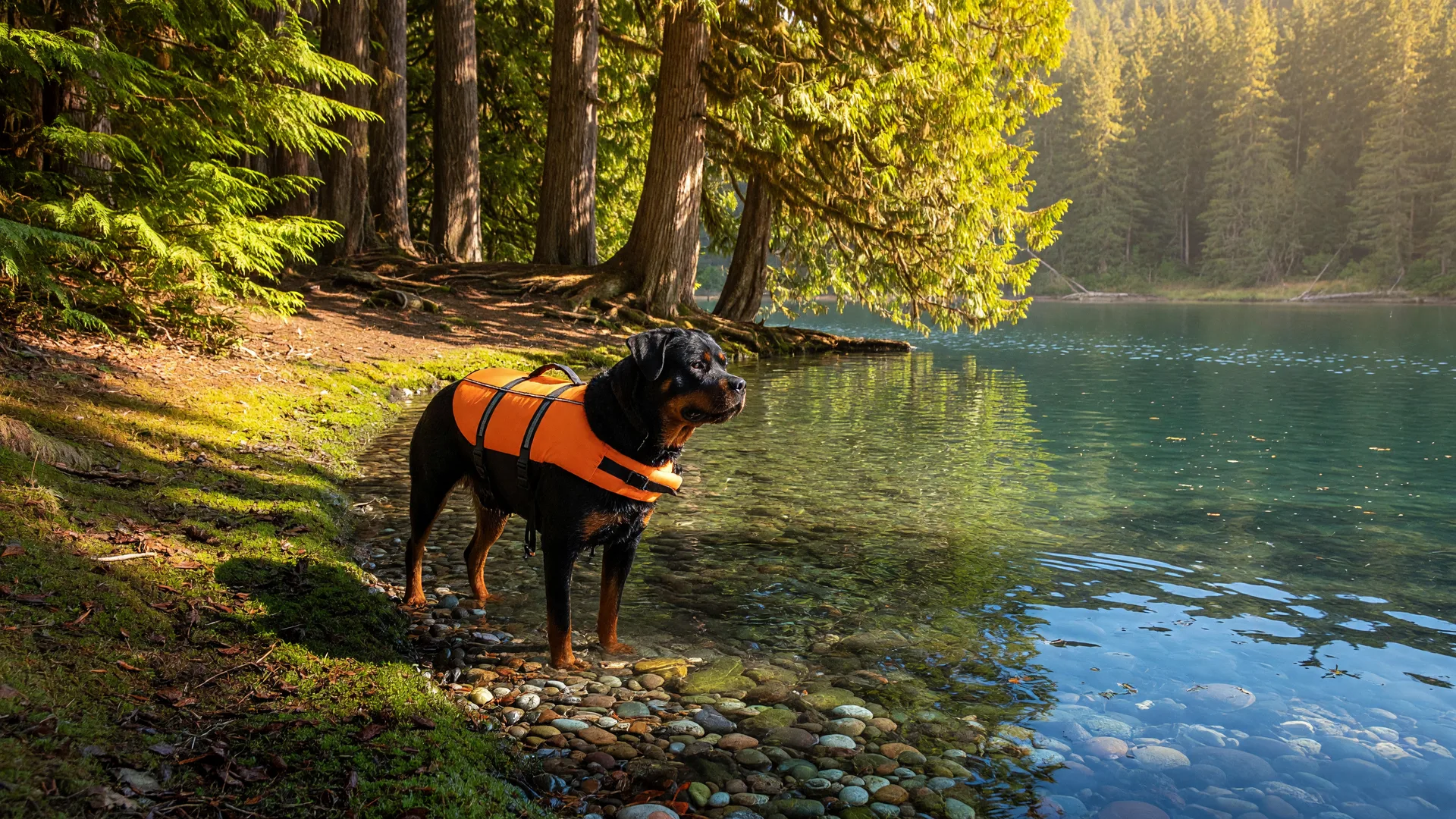
We took Ziggy and Sahara to Elk Lake last weekend. It was one of those perfect August afternoons that makes you remember why we put up with the rain the other ten months of the year. The water was calm, the air was warm, and Ziggy launched himself off the dock like a 100-pound cannonball, life jacket strapped on and tail spinning like a propeller. Sahara waded in up to her chest, stood there for a minute considering her options, and then walked back to shore to lie in the grass. Two very different approaches to summer swimming, but one thing they both needed: a human who had checked the conditions before we left the house.
We are past the middle of August now, and the water season in Greater Victoria is shifting. The blue-green algae situation has changed since our July water safety guide. The beaches are busier than ever. And a big rule change is coming on September 15 that every dog owner should have on their calendar. Here is where things stand right now and what you need to know for the rest of the swimming season.
Current Blue-Green Algae Situation, August 2026
Blue-green algae (cyanobacteria) blooms are the biggest water safety concern for dog owners in Greater Victoria every summer. The toxins produced by these blooms can cause liver damage and neurological symptoms within hours of ingestion, and there is no treatment or antidote. The risk has not let up as we move through August.
Active Blue-Green Algae Advisories, August 2026
- Thetis Lake (main beach): Active advisory. Do not let your dog swim at the main beach area of Thetis Lake Regional Park. The forest trails are still fine for walking, but keep your dog away from the water.
- Prior Lake: Active advisory. Avoid all dog swimming.
- Beaver Lake: Active advisory. Avoid all dog swimming.
- Elk Lake: No current advisory as of August 2026. The dog swimming area on the southeast shore off Hamsterley Road is a safe option. But conditions change fast after a warm spell, so check the CRD website before every visit.
- Durrance Lake: No current advisory. A quieter option off the Peninsula, but same rule applies: check before you go.
The Capital Regional District updates its algae advisories regularly. Bookmark the CRD alerts page and make checking it part of your pre-walk routine. If an advisory is posted, do not let your dog swim. The warning signs of blue-green algae exposure include vomiting, diarrhea, weakness, drooling, difficulty breathing, seizures, and collapse. If you see any of these symptoms after your dog has been in the water, rush to an emergency vet immediately.
What Changes on September 15
This is the biggest date on the late summer dog calendar. On September 15, the 107-day beach leash requirement ends for five beaches in the Victoria Migratory Bird Sanctuary corridor. That means:
- Island View Beach returns to off-leash or leash-optional status after a summer of on-leash requirements.
- Thetis Lake Beach opens up again for off-leash access (assuming the algae advisory has cleared, which is not guaranteed).
- Several Inner Harbour shoreline areas that have been on-leash since June 1 return to their normal rules.
We are counting down the days. Island View Beach is one of our favourite spots for a late September walk, and having the full beach open again with fewer summer crowds makes it one of the best dog-walking months of the year. If you have been avoiding certain beaches because of the summer leash rules, start planning your visits for mid-September and beyond.
The four beaches that are exempt from the summer restrictions, Parker Park in Cordova Bay, Sandcut Beach, the Esquimalt year-round beach, and the Dallas Road off-leash zone, remain open for off-leash access all summer and continue through September and beyond.
Life Jackets: Still the Rule, Not the Exception
By August, some dog owners get complacent about life jackets. The water feels warm. The sun is hot. The dog has been swimming all summer with no issues. Here is the reality: the Strait of Juan de Fuca stays at about 12 to 13 degrees Celsius even in August. That is cold enough to cause muscle fatigue in under ten minutes, even for a strong swimmer. And a tired dog in cold water can go from paddling happily to struggling in seconds.
We do not compromise on life jackets. Ziggy wears his Outward Hound life jacket every time he goes in the water, whether we are at Elk Lake or the Dallas Road beach. Sahara wears her Ruffwear K9 Float Coat whenever she is in water deeper than her chest. The grab handle alone is worth it. If your dog gets into trouble, being able to lift them out of the water by the handle instead of trying to grab a wet collar or a thrashing leg is a game changer.
Late summer is also when we check our life jackets for wear. UV exposure from a full summer of use can weaken straps and fade reflective elements. If the buckles are stiff, the straps are frayed, or the fabric looks faded, replace the jacket. A life jacket that fails when you need it is worse than no life jacket at all.
Late Summer Life Jacket Check
- Check all straps and buckles for UV damage, fraying, or stiffness. Replace if worn.
- Test the fit. If your dog has put on or lost weight over the summer, the jacket may no longer fit snugly. You should be able to fit two fingers between the jacket and your dog's body, no more.
- Check the grab handle. Give it a firm tug. If the stitching is pulling loose or the handle feels weak, it is time for a replacement.
- Rinse the jacket with fresh water and let it dry completely after every saltwater use. Salt and sand degrade materials over time.
Ocean Currents in Late Summer
August is typically the calmest month for ocean conditions on the Strait of Juan de Fuca, but that does not mean there is no risk. Tidal currents still move through the strait at several knots during peak flow, and a dog caught in an outgoing current can be pulled away from shore faster than you can react.
The beaches that require the most caution are the same ones we covered in our July guide: Dallas Road, Island View Beach, and the southern end of Willows Beach. On a calm day with a gentle tide, these spots are safe for supervised wading. On a day with a big tidal swing, after a storm that stirs up the water, or when the wind kicks up from the southwest, keep your dog out of the water entirely.
The simplest rule is unchanged: if the water looks rough enough that you would hesitate to swim in it yourself, keep your dog out. Dogs do not make good decisions about currents. They will chase a stick or follow a scent without noticing that the water is pulling them away from shore. You are the one who has to notice.
August Beach Day Checklist
Late Summer Beach Day Checklist
- Check the CRD website for current blue-green algae advisories at your destination lake.
- Check the tide tables for ocean beaches. Avoid beaches during strong outgoing tides.
- Fit your dog's life jacket and check the straps before you leave the car. Do a full jacket inspection if it has been in use all summer.
- Pack fresh water and a collapsible bowl. Your dog should not drink from the lake or ocean. A frozen water bottle that thaws through the day is a game changer for August heat.
- Bring a portable rinse jug, a 4-litre jug of fresh water, to rinse salt or lake water off your dog's coat before the car ride.
- Bring two towels. One for the initial rinse, one for drying off before the car ride home. Wet dogs in a warm car on an August afternoon heat up fast.
- Know your dog's cold water limit. Limit ocean swim sessions to about 10 minutes even on warm days. If your dog starts shivering, they have been in too long.
- Save the nearest emergency vet number in your phone. For Greater Victoria, the 24-hour Animal Emergency Clinic of Victoria is at 120 Benvenuto Avenue, and Central Victoria Veterinary Hospital provides 24/7 emergency services.
Freshwater Safety: Elk Lake and Beyond
Elk Lake remains the safest freshwater swimming option for dogs in Greater Victoria as of mid-August. The off-leash dog beach on the southeast shore off Hamsterley Road is our go-to spot. The water warms up to a more comfortable temperature than the ocean, there are no currents to worry about, and the grassy area near the parking lot gives dogs a place to dry off before the car ride home.
That said, we always bring fresh water for drinking. Even at a lake with no active algae advisory, we do not let Ziggy or Sahara drink from the lake. Dogs swallow a lot of water when they swim, and even a small amount of bacteria or algae that would not affect a human can cause gastrointestinal upset in a dog. A collapsible bowl and a bottle of fresh water take up almost no space in the bag and eliminate that risk entirely.
The same goes for the non-advisory lakes like Durrance Lake on the Peninsula and Langford Lake (which was flagged earlier this summer but is worth rechecking before each visit). Lake conditions in late summer can change overnight, especially after a stretch of hot weather that warms the shallow water. Do not assume that a lake that was safe last week is still safe this week.
Watching for Signs of Overheating at the Beach
August beach days combine several heat risks at once: sun exposure, physical exertion from swimming, warm sand, and the deceptive cooling effect of being near water. It is easy to miss that your dog is overheating because the ocean breeze makes the air feel cooler than it actually is.
Here is what we watch for on late summer beach days:
- Excessive panting that does not stop when your dog rests in the shade. A dog who has been out of the water for ten minutes and is still panting heavily is telling you they are too hot.
- Thick, ropey saliva instead of normal thin drool. This is a sign of dehydration.
- Bright red gums. Normal dog gums are pink. If they turn bright red or brick-coloured, that is a heat stress warning.
- Stumbling or disorientation. A dog who is unsteady on their feet after swimming needs immediate cooling and shade, not another round of fetch.
- Lethargy. If your normally energetic dog is lying on the sand and refusing to move, the day is over. Pack up and head home.
We set a timer on our phones for Ziggy's beach time. Thirty minutes of active play, then a mandatory break in the shade with water. It sounds structured, but it keeps him from pushing himself past his limits, which he would do every single time if we let him.
Pet-A-Palooza Water Safety Reminder
Pet-A-Palooza is this Sunday, August 16, at Dallas Road. It is the biggest dog event of the summer, and the Dallas Road off-leash area and waterfront will be packed. If you are planning to let your dog swim during the event, here are a few extra things to keep in mind:
- The Dallas Road waterfront is exposed to the Strait of Juan de Fuca. Check the tide tables before you go. A calm morning can turn into a choppy afternoon fast.
- With hundreds of dogs in one area, keep a closer eye than usual on what your dog is drinking. Bring your own water and do not rely on communal bowls at the event.
- If your dog is nervous around crowds of other dogs in the water, skip the swim and stick to the grassy areas. The event is big enough that there is plenty to do without going in the water.
- Rinse your dog with fresh water after any time in the ocean. Salt water left on the skin can cause irritation, especially if your dog has any hot spots or allergies.
Our full late summer events guide has everything else you need to know about Pet-A-Palooza, including parking tips, shade strategies, and what time to arrive.
The August to September Transition
We are in the sweet spot of the Victoria summer right now. The water is as warm as it gets. The evenings are long. And there is still a full month of beach weather ahead before the September rains start to creep in. But the conditions change fast in late August. The first cool night drops the lake temperature by a couple of degrees. The algae blooms that have been building all summer reach their peak. And the beaches that were packed in July start to empty out as families shift into back-to-school mode.
The key is to treat every beach day as its own decision. Check the conditions. Watch your dog in the water. Pack the gear that actually keeps them safe. And if a lake has an algae advisory or the surf looks rough, find another spot or try again another day. There will be plenty of beautiful September afternoons still ahead.
Ziggy will be in the water until the day the temperature drops below his tolerance threshold, which, knowing him, will be sometime in late October. Sahara will be on the shore, supervising from her towel, probably looking at him like he is ridiculous. And we will be there with their life jackets, their fresh water, and their towels, trying to soak up every last minute of summer worth remembering.
Stay safe out there, Victoria.
🐾