
Should I Microchip My Dog in Victoria, and Where Do I Get It Done?
By Anna Hakim & Perry Fanthorpe, Happy Homes Team at eXp Realty
The Short Answer:
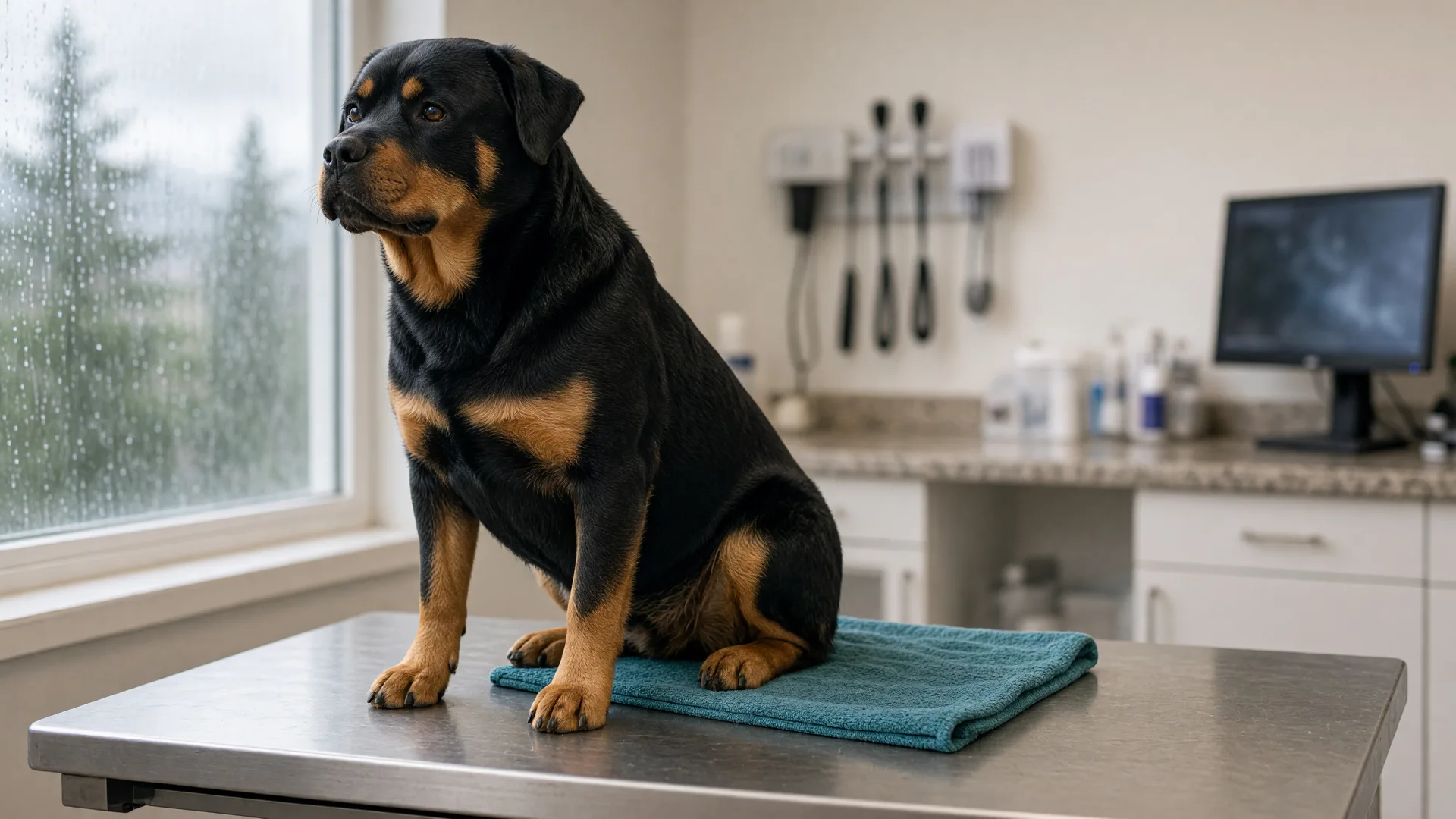
Yes, you should microchip your dog in Victoria, and the sooner the better. A chip costs roughly $50 to $90 at a Greater Victoria vet clinic, takes about 30 seconds to implant, and stays put for life. In a region where a lost dog can drift from a Saanich backyard to a Goldstream trailhead in a single walk, it is the tool most likely to bring them home.
I have watched more than one nervous owner brace for the procedure and then laugh, because the whole thing is over before the dog notices. The procedure is that quick, and the peace of mind that comes with it is one of the cheapest insurance policies a dog owner in this city can buy.
Why should I microchip my dog in the first place?
Collars and tags are the front line and they fail all the time. A collar can slip over a dog's head in a tangle, a tag can snap off on a branch, and a frightened dog that got out during a windstorm does not wear its ID back to the front gate. A microchip is a rice-grain-sized transponder that sits under the skin between the shoulder blades and carries a unique 15-digit number.
The number only matters if someone can read it, and every vet clinic and shelter in Greater Victoria scans animals that come through the door. The BC SPCA Victoria branch at 3150 Napier Lane and the CRD Animal Shelter on the Patricia Bay Highway both scan strays as standard practice, which means a chipped dog that ends up anywhere formal has a working return address.
Is microchipping required for a dog licence in Victoria or Saanich?
No. Neither the City of Victoria nor the District of Saanich requires a microchip to get a dog licence, and no other municipality in the capital region does either. Both cities do require every dog over four months old to be licensed every year, so the licence and the chip are separate obligations that happen to work best together.
People mix them up because both involve a number tied to your name. The licence is paperwork that proves the dog belongs to someone in this municipality, which is why it is the legal requirement. The chip is a physical ID that stays with the dog no matter what happens to the paperwork. My honest rule for clients is simple: license the dog because you have to, chip the dog because you should. The step-by-step details and fee tables for every municipality are in our dog licensing guide and our full bylaws guide.
How much does it cost to microchip a dog in Victoria?
Expect to pay about $50 to $90 at a standard vet clinic, and the price usually covers the implant itself. Registration is separate. If you adopt from a rescue, check the paperwork first, because many local adoption programs chip the dog before you take them home, which means the cost is already folded into the adoption fee.
For the registration side, BC Pet Registry will register a chip for a one-time lifetime fee of about $45. Do not skip that step to save the money: a chip without a current registry entry is a number that leads nowhere when a stranger scans it.
Where can I get my dog microchipped in Greater Victoria?
Any licensed veterinary clinic can do it, which means the honest answer is your regular vet. Hillside Veterinary Hospital, Vic West Pet Hospital, and James Bay Veterinary Clinic all do this every week, and VCA Canada Feltham Animal Hospital at 4082 Shelbourne Street offers it as part of its wellness care and is one we have pointed clients to for years.
It is also worth asking about at any appointment where your dog is already being sedated, like a dental cleaning or a spay-neuter. The chip goes in during the same visit, which saves the trip and the extra poke.
Does microchipping hurt my dog?
It feels like a vaccination: a pinch, a click, and it is done, and most dogs do not even turn around. No anesthesia is needed, and because the chip is about the size of a grain of rice, there is nothing to recover from.
The bigger event is usually the needle in your own head. People brace for a procedure and then laugh when their dog is already off the table wondering where the treat is.
What happens if my chipped dog gets lost?
When a found dog is scanned, the reader shows the chip number and the registry phone line answers with your contact details. If those details are current, the outcome is usually a phone call within hours, sometimes within minutes if the scan happens at the shelter desk itself.
A chip is a durable ID that works when the collar is gone, which is exactly the scenario that separates the dogs who come home from the ones who do not. It is not a GPS tracker, and nothing you implant will tell you where the dog is right now. If your dog does go missing, our lost dog checklist for Greater Victoria walks through every step.
What should I do after the chip is in?
Two things: write down the chip number, and register it. The registry that matters is the one tied to your phone number and address, for the chip brand's own registry or the BC Pet Registry's lifetime registration, and it is the difference between a chip and a way home.
Then make updating part of every move. When you change your phone number, or move to a new neighbourhood, or buy a new place, the registry entry should change with you. A quick scan at each yearly vet visit confirms the chip has not migrated, and that one habit is cheap and is the entire point.
What does a microchip have to do with where you live?
More than most buyers expect. The dogs at real risk of getting lost are the ones in homes mid-change: a new neighbourhood, an unfenced yard, a contractor leaving a gate open, a move itself with doors going in and out. We ask about fencing and escape routes before offers go in, because we have seen how fast a dog can find the one gap in a brand new fence in a place they do not know yet.
A chip is cheap insurance in any home. But if you are weighing a move and you want an honest read on which yards, fences, and neighbourhoods will make daily dog life safer, that is exactly the conversation we are good at. Book a consultation with the Happy Homes Team and we will start with the walk, not the listing.
Match the Home to the Dog, and the Dog Stays Where It Belongs
Fencing, yard size, escape routes, and the daily walk loop are real factors in the buying decision. The Happy Homes Team matches homes to dogs, not just buyers to listings.
Book a Consultation