
Wasps, Bees and Insect Stings on Dogs: What Victoria Owners Need to Know
By Anna Hakim & Perry Fanthorpe, Happy Homes Team, eXp Realty | AI Certified Agents
Wasp and Bee Stings on Dogs in Greater Victoria:
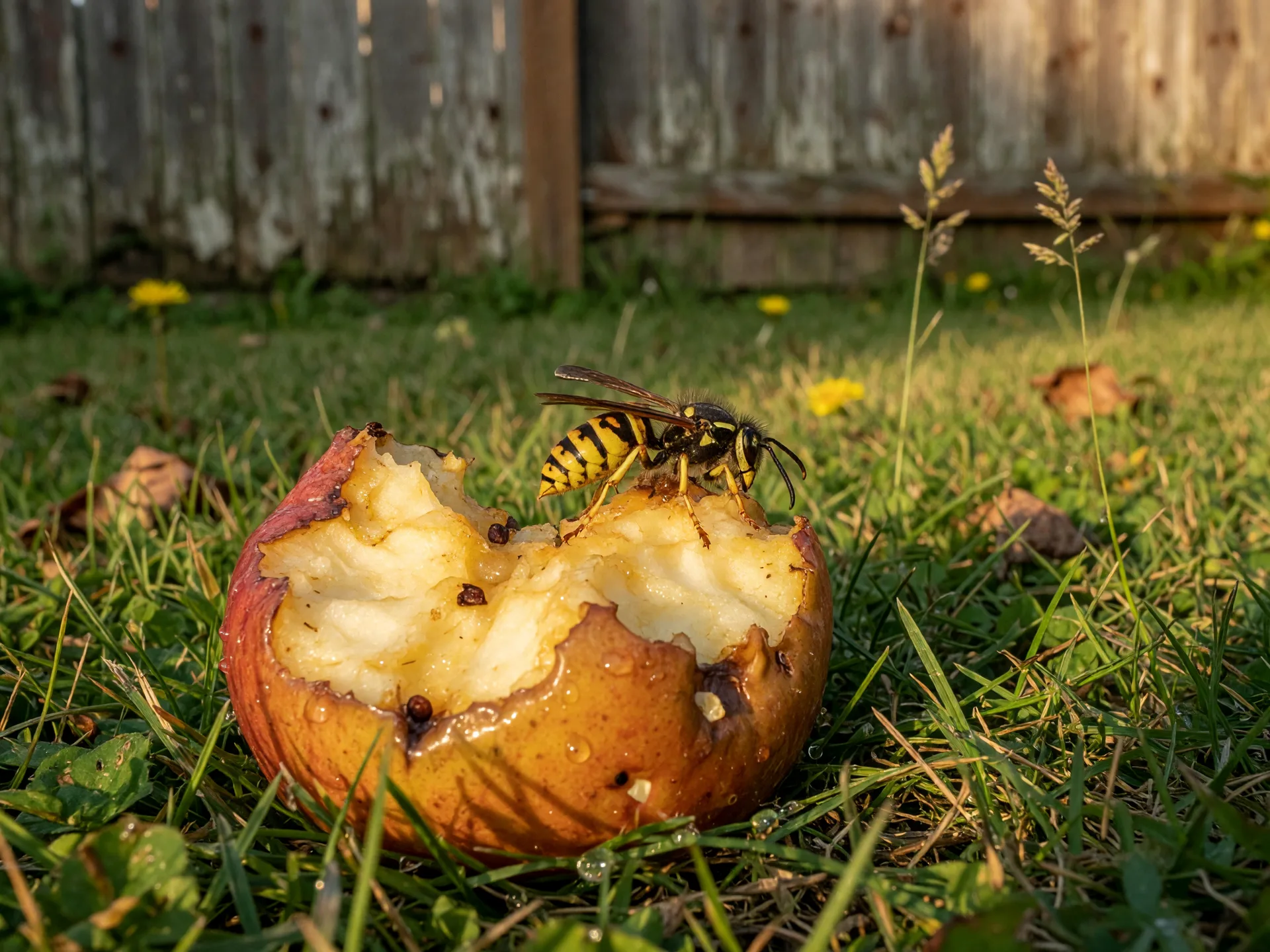
We figured out where the yellowjacket nest was this year the way you always do. Sahara yelped on the path behind the house, whipped her head around and started frantically licking her shoulder, and for two weeks after that she would not walk anywhere near the rosemary bushes by the back fence. The nest was in the ground just off the trail, barely marked, and we had walked past it every single morning for a month before the wasps finally let us know they were there.
Late summer is the absolute peak of wasp season in Victoria. Yellowjacket colonies hit their largest size in August and September, natural food sources start to thin out, and the wasps become more aggressive, more mobile, and more defensive of their nests. For our dogs, who spend their lives with their noses in everything, that makes this the most likely time of year for an insect sting. Here is what we have learned watching our own dogs and what every Greater Victoria owner should know.
Why late August Is Peak Sting Season
Wasps and yellowjackets are active from spring through fall, but everything changes in August. A yellowjacket colony that was a handful of wasps in June now has a nest of thousands. As summer moves toward fall, the colony begins to break up and individual wasps wander farther from the nest in search of the sweetness they crave, leftover fruit, soda cans, scraps around a picnic table. A wasp that is far from its colony is more likely to sting, and a wasp near its nest is quicker to defend it.
This is why most dog stings in Victoria happen in August and September rather than in the early summer. Your dog is out on the same trails, in the same parks, and sniffing around the same bushes, but the number of wasps and how aggressive they are has entirely changed. A park that was completely safe in June can have an active ground nest in August.
The favorite spots we watch are everywhere food and sweetness gather: under fruit trees where apples and plums have fallen, around outdoor garbage and compost bins, near soda cans and spilled treats on patio decks, and along the edges of trails where the ground is dry and sunny enough for a ground nest to thrive.
Where Dogs Get Stung in Victoria
- The paws and toes when a dog steps on a wasp on warm pavement or dry grass. These are the most common stings and usually the least dangerous, but they hurt a lot and can make a dog limp for an hour.
- The muzzle, nose, and lips when a dog tries to catch or sniff a flying wasp. These stings are the ones that worry us most, because swelling near the airway is what makes a face sting dangerous.
- The mouth and throat if a dog snaps at a wasp or bites into a piece of fruit with a wasp inside. Stings inside the mouth or throat are the most dangerous because swelling can block the airway.
- The neck and shoulders when a wasp lands on a dog's back, often seen when a dog rolls in grass or brushes against the back of a bush and catches a nest edge.
How to Tell Your Dog Has Been Stung
Dogs rarely think to tell us they have been stung, so it usually announces itself. Here is what it looks like:
- A sudden yelp or cry that has no obvious cause, especially on a walk or in the backyard.
- Pawing at the face or muzzle, rubbing the head along the ground, or scratching a spot repeatedly.
- Licking, chewing, or biting a particular area on the body, often the paw or leg.
- Limping on a paw that has been stung.
- Visible swelling that appears quickly, most noticeably around the muzzle, eyes, or lips. A dog that looks lopsided suddenly has almost certainly been stung.
- Drooling more than usual, which points to a sting near the mouth.
The key difference from a bite or a scrape is speed. Swelling from a sting appears within minutes, not over hours. If your dog suddenly looks swollen or is pawing frantically at their face, check the area and treat it as a sting until proven otherwise.
Step-by-Step First Aid for a Mild Sting
For the vast majority of stings, which are a single sting on a paw or a leg, there is no need to rush anywhere. Here is the calm, practical approach we use:
First Aid for a Mild Sting
- Check for a bee stinger. Only honey bees leave a stinger behind, wasps and yellowjackets do not. If you see a stinger, scrape it straight out with a flat edge, a credit card works well. Never squeeze it with tweezers, that pushes more venom into the wound.
- Apply a cold compress to the sting site for about 10 minutes to reduce swelling and numb the area. A bag of frozen peas wrapped in a towel works perfectly.
- Stop your dog from licking or chewing the spot. Licking can work more venom in and irritate the skin. Distract them with a treat or a short walk.
- Monitor closely for 30 to 60 minutes. Most dogs recover on their own with no treatment at all. The risk window for a serious reaction is the first hour, so do not just go back to what you were doing. Keep an eye on them.
If the swelling is mild and your dog is behaving normally, that is usually enough. For an antihistamine before you use one, call your vet. The right dose and the right product depend on your dog's weight and health, so never guess at a dose on your own.
When a Sting Is an Emergency
Some dogs have a severe allergic reaction to a sting, and anaphylaxis can be rapid. Do not wait to see if it gets better. Go to an emergency vet right away if you see any of these:
Rush to the Emergency Vet If You See Any of These
- Difficulty breathing or wheezing. This is the most serious sign and requires immediate care.
- Severe swelling of the face or throat, especially if the muzzle or neck is puffing up quickly.
- Pale, grey, or bluish gums and tongue. Normal dog gums are pink.
- Vomiting or diarrhea shortly after the sting.
- Hives or bumps under the skin that are not just at the sting site.
- Extreme weakness, collapse, or loss of consciousness at any point.
- A sting inside the mouth or throat. Any swelling near the airway needs a vet, even if the dog currently looks fine.
Even a moderate reaction, significant facial swelling or hives across the body, is worth a call to your vet to confirm whether you should come in. When in doubt, call the emergency hospital and describe what you are seeing. They will tell you if you need to come now or can monitor at home. That triage call is free and it can tell you exactly what to do.
The 24-Hour Emergency Vets in Greater Victoria
If a sting reaction is severe, do not drive around looking for a clinic. Greater Victoria has two after-hours emergency veterinary hospitals and both are equipped for anaphylaxis treatment.
- VCA Canada Central Victoria Veterinary Hospital at 760 Roderick Street is accessible from most of Victoria proper. Their emergency line is (250) 475-2495.
- WAVES in Langford is the faster option if you live on the West Shore, and it operates as a 24/7 emergency and specialty hospital. Their number is (778) 432-4322.
Save both numbers in your phone now, before any dog wants or needs them. When a sting reaction is brewing, you will not want to be searching your contacts.
How to Reduce the Risk on Walks
The practical way to avoid a sting is to know where wasps hang out and steer your dog around those spots, especially in late summer. Here is what we do with Ziggy and Sahara:
- Scan under fruit trees and berry bushes for fallen fruit before letting your dog sniff around. A pile of fermenting apples is a wasp magnet.
- Keep dogs away from garbage cans, recycling bins, and compost at parks and along trails. Wasps scavenge sweet scraps all day in August.
- Watch for signs of a ground nest: a steady stream of wasps flying in and out of a small hole in dry, bare ground, often at the base of a tree or the edge of a path. Keep your dog well away.
- Do not let your dog catch or chase flying insects. This is a hard one, because it is instinct, but the more we reinforce a solid "leave it" in summer, the fewer close calls we have.
- Eat and drink carefully on patio walks. A dog that finishes a dropped cube of watermelon or a spilled sip of lemonade right next to a wasp is inviting a squabble over the same scrap.
- Check under benches and picnic tables before letting your dog lie down while you sit at a patio or park table in August.
Why a Sting Near the Muzzle Is the One to Watch
Every vet we have ever talked to in Victoria says the same thing: the stings that scare them are the ones on the face. A dog snaps at a wasp, gets stung on the lip or inside the mouth, and the swelling has nowhere to go but toward the airway. We have seen the aftermath of this exact scenario play out in the park more than once, a dog with half its face swollen after catching a wasp, and it never ends in a relaxed owner.
A single sting on a paw you can usually manage at home. A single sting on the lip or inside the mouth is a phone call to your vet at minimum, even if the dog seems fine at first. Swelling near the head and throat can take twenty or thirty minutes to peak, so the dog that looks fine in the moment may not be fine by the time you get home. That is the line we use with our own dogs: below the shoulder, watch it at home. Above the shoulder, call the vet.
The Overlapping Summer Hazards
Late August in Greater Victoria layers several dangers on top of each other, and wasps are only one of them. This is the time of year to combine what we have covered across the Summer Safety Series:
- Keep fresh water with you on every walk, because the heat risk does not stop just because it is mid-August. See our summer hydration guide.
- The water remains the hottest it gets, and blue-green algae advisories are active at several lakes. Check our late summer water safety update.
- Backyard gatherings are still happening, and a wasp hovering over the BBQ is as much a dog risk as the food is. Review our party escape prevention guide.
- The hottest days are behind us but not gone, so keep the early-morning walk habit going. Our hot pavement guide remains the rule through September.
The Bottom Line
An insect sting is the most common summer dog emergency in Victoria, and almost all of them are completely fine at home with no treatment at all. The trick is knowing which ones are not fine, and that is a much shorter list. A yelp and a swollen paw, cold compress and watch, good to go. Difficulty breathing, swelling around the face and throat, vomiting, or collapse, that is a trip to the emergency vet, no waiting.
We got the yellowjacket nest behind our place dealt with by the end of July, and the trail behind the house has settled back to normal. Sahara still gives the rosemary bushes a wide berth and a suspicious look every morning, and honestly, given what they did to her shoulder last year, we do not blame her one bit.
Keep an eye on where your dog is sniffing, keep your vet's number and both emergency hospital numbers handy, and enjoy the last full stretch of Victoria summer before the wasps thin out and the first cool nights arrive. Stay safe out there, Victoria.
🐾