
What to Do with Your Dog in an Emergency
By Anna Hakim & Perry Fanthorpe, Happy Homes Team at eXp Realty
Dog emergencies in Greater Victoria, the plan:
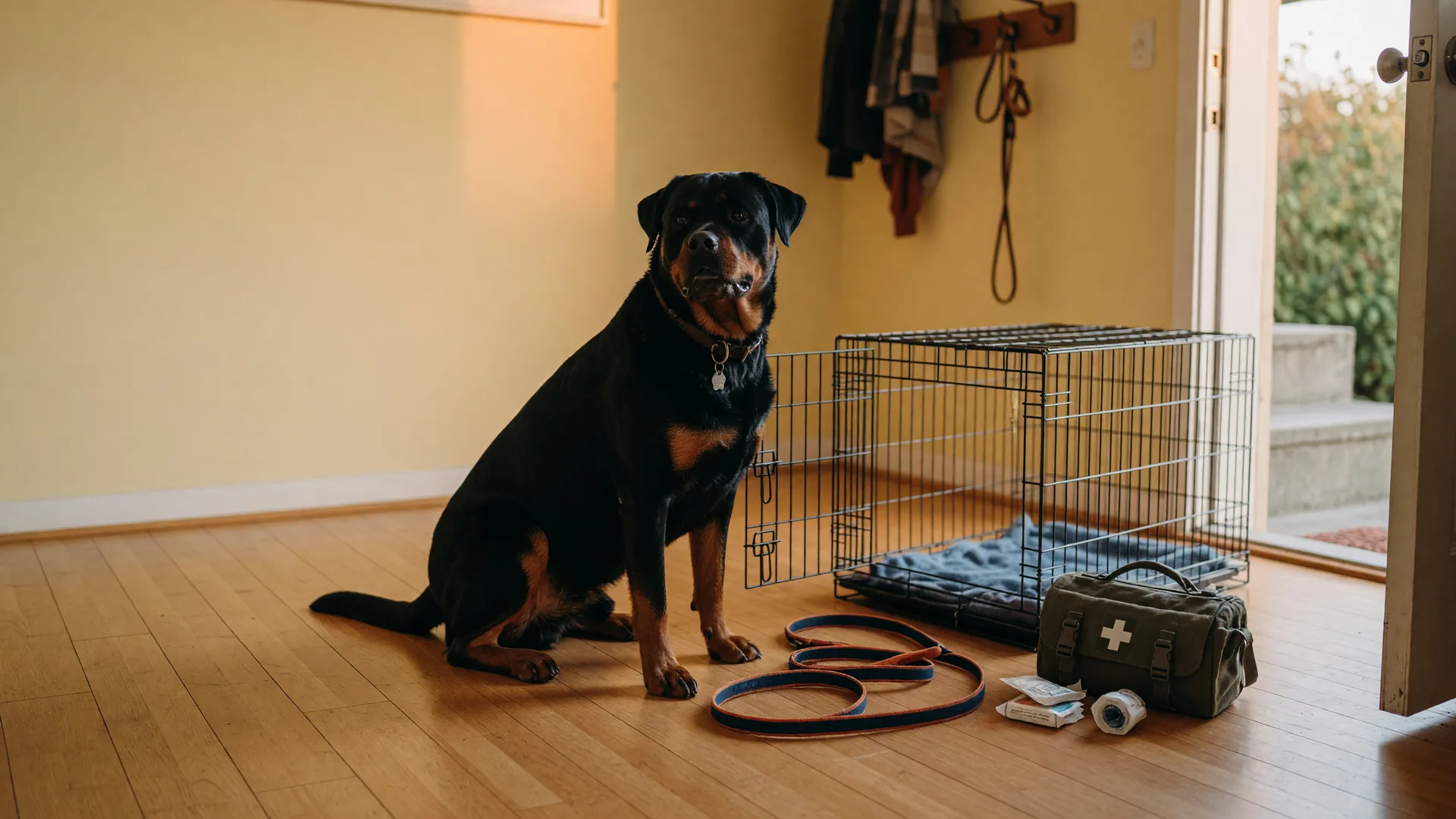
Emergencies are rare, but they never arrive at a convenient time. Think of every dog owner we know, ourselves included: the scary moments always land on a holiday weekend, late at night, or in the middle of a downpour. Nothing about you can change that, but one thing can: knowing the first few moves before the panic hits. That is what actually helps your dog.
This piece is the plan. What counts as an emergency, what to do while you get there, and who to call tonight. It is written for Greater Victoria, so the numbers and the drive times are real ones. Print it, save it, and then go back to the easy parts of life with your dog.
Know where you are going before you need it
The single most useful thing you can do right now takes about two minutes: save the numbers. Put your regular vet and the nearest 24-hour hospital in your phone today, under a name you will find when you are under stress. "VET VCA 24 HOUR" is better than a contact called "Central Victoria Veterinary Hospital" buried between your dentist and your car insurance. We keep both hospitals in the favourites at the top of the contact list, and the numbers are on our fridge too.
Time the drive once so you know it, not guess it. Greater Victoria has two 24-hour emergency hospitals, one in Victoria and one in Langford, and your closest option depends entirely on which part of the region you live in. Knowing your answer in minutes, ten or forty, at 2 AM versus rush hour, matters when your dog is in the back seat.
Have your dog's records and a recent photo handy. Hospitals will want your dog's age, weight, and medical history, and a current photo helps the team identify them on arrival. None of this is hard; it is just the boring homework that makes the scary night shorter.
For the full breakdown of both hospitals, what they handle, and daytime urgent care options, read our complete guide to emergency vet care in Victoria BC. And if you have not built a first-aid kit yet, our dog first aid kit guide walks you through exactly what goes inside and where to keep it.
Go straight to the hospital for these
Not every worry needs the emergency hospital. But these do. This is the list, and it is worth being familiar with before it matters, because you will not remember any of it clearly at midnight:
Red Flags That Mean Go Now
- Difficulty breathing or blue or pale gums
- A seizure that lasts more than a couple of minutes or seizures that repeat
- Collapse or an inability to stand
- A swollen, hard belly with unproductive vomiting, a possible sign of bloat
- Suspected poisoning or eating something toxic, especially xylitol, chocolate, grapes, or raisins
- Heatstroke: heavy panting, drooling, bright red gums, weakness, collapse. More in our heatstroke first aid guide
- Being hit by a car or any significant trauma, even if they seem fine
- Major bleeding that does not stop with pressure
- An eye injury, including squinting, redness, or anything in the eye
- An inability to pee
- A dog in obvious distress that you cannot explain
When in doubt, call the hospital and describe what you are seeing. That is exactly what the triage line is for, and the person on the other end will tell you whether to come in or watch and wait. You are never wasting their time. We called once because Ziggy looked "off" on a Tuesday evening, the vet talked us down in four minutes, and we paid for nothing but had perfect peace of mind.
Where to go tonight
Greater Victoria has two 24-hour emergency veterinary hospitals, and calling ahead is completely normal. Both answer the phone around the clock, triage your call, and tell you whether to come in and what to do on the drive. Save both numbers, even if you are sure you will only ever use one.
VCA Canada Central Victoria Veterinary Hospital
- 760 Roderick Street, Victoria
- (250) 475-2495
- Open 24 hours a day, 7 days a week
The region's long-established emergency hospital, with critical care, surgery, and overnight monitoring under one roof.
vcacanada.com/centralvictoriaWAVES, West Coast Animal Veterinary Emergency Specialty Hospital
- 947 Langford Parkway, Langford
- (778) 432-4322
- Open 24 hours a day, 7 days a week
The emergency and specialty hospital on the West Shore, and the faster option if you live in Langford, Colwood, or the Highlands.
wavesvet.comPoison hotlines
If you suspect your dog has eaten something toxic but does not yet have symptoms, a poison hotline is the right first call:
- ASPCA Animal Poison Control: (888) 426-4435
- Pet Poison Helpline: (855) 764-7661
Both are staffed by veterinary professionals who can advise on whether a substance is dangerous and what to do next. Have the packaging, a rough idea of how much was eaten, and your dog's weight ready before you call.
What to do while you get there
The drive to the hospital is where most of the damage gets done, and most of it is done by panic. Stay calm. Your dog reads you, and a steady voice in the car is worth more than any first aid move you could perform at speed. Take a breath, and work the list:
- Call the hospital on the way. Tell them what is happening, your dog's approximate size, and your ETA. It lets them meet you ready, and it means they can start advising you before you arrive.
- Keep your dog quiet, warm, and confined. A car ride is stressful enough, and movement makes many injuries worse. A crate, a box, or a blanket on the seat works. A hurt or frightened dog can bite even a beloved person, so if you need to move a painful dog, muzzle them with a towel or a proper muzzle, and only if it does not put their breathing at risk.
- Never give human medication. Not one pill, not a crushed half, nothing. Some human drugs are fatal to dogs, and the hospital needs a clean picture of what your dog has actually ingested.
- Never "wait and see" on the red flags above. The list in this guide exists because the window for treatment is often measured in minutes.
- Do not make your dog vomit unless a veterinary professional tells you to. Some substances, like caustic ones, are worse coming back up, and inducing vomiting at the wrong time can cause more damage than the poison itself.
- If you suspect poisoning, bring the package or label. A photo of the label, the plant, or the substance is a good backup.
The three emergencies worth knowing before they happen
You cannot rehearse every scenario, and you should not try. But three emergencies come up again and again with our dogs, and the first response for each fits in a sentence or two. Learn these three and you have covered most of the scary nights:
Choking
Open the mouth only if it is safe to do so, and only sweep visible obstructions with your fingers. Never push something deeper. If your dog cannot clear it on their own, get to a vet or the emergency hospital immediately, and keep them calm on the way.
Heatstroke
Move your dog to shade, cool them with room-temperature water, never ice, and offer small sips of water. Then go straight in. Heatstroke moves fast in dogs, and our heatstroke recognition and first aid guide covers the warning signs in detail, while our heat stress vs heatstroke guide helps you tell the difference before it becomes an emergency.
Seizure
Clear the area so your dog cannot hit furniture, do not put anything in their mouth, they will not swallow their tongue, and that is a myth. Time the seizure, film it for the vet if you can, and contact the hospital if it lasts more than a couple of minutes or repeats.
The quiet part
The point of a plan is that you almost never need it. Save the numbers now, know the red flags, and let the rest of your life with your dog stay easy. We hope you never open this page in the dark, but if you do, we are glad it is here.
Happy tails from Ziggy, Sahara, and all of us at the Greater Victoria Dog Guide.